
Decontamination and antimicrobial cleaning remove the hazardous substances and microorganisms that everyday cleaning cannot reach. Together they form a critical part of environmental remediation, eliminating mold spores, bacteria, viruses, and fungi from surfaces, structures, and the air. Whether the situation calls for physical removal or targeted chemical treatment, GreenRoom Remediation manages the full process so your home or business in Brooklyn and across NYC is cleaned, sanitized, and safe to reoccupy.
Why Choose GreenRoom Remediation for Decontamination & Antimicrobial Cleaning
A safe, healthy indoor environment matters for everyone who lives or works in your building, and contamination from mold, bacteria, or viruses threatens both the structure and the people inside it. We approach every project with that in mind, combining thorough decontamination with antimicrobial treatment that addresses what you can see and what you cannot. Our goal is to restore the space fully, not just clean the surface, so the problem does not return after we leave.
Decontamination eliminates harmful substances from equipment, building materials, and the surrounding environment through physical and chemical means. In mold work, that means disinfecting affected structures, capturing airborne spores with HEPA filtration, and using HEPA vacuums to clear settled particles from surfaces. GreenRoom Remediation follows established industry standards, including the NYC and EPA Guidelines for Mold Abatement, and relies on professional-grade equipment so decontamination is complete during removal and through post-cleanup.
Antimicrobial cleaning takes the next step by applying eco-friendly, low-VOC agents that neutralize bacteria, viruses, and fungi on contact. These professional-grade biocides and fungicides deliver hospital-level protection against pathogens, including the organisms behind illness and persistent odors, without exposing your family or staff to harsh chemical residue. It is the layer that turns a cleaned space into a genuinely sanitized one.
Here’s a breakdown of the typical steps involved

1
Before decontamination begins, a thorough assessment of the mold-infested area is conducted. This includes identifying the extent of the mold growth, the type of mold present, and any underlying causes such as water leaks or moisture issues
2
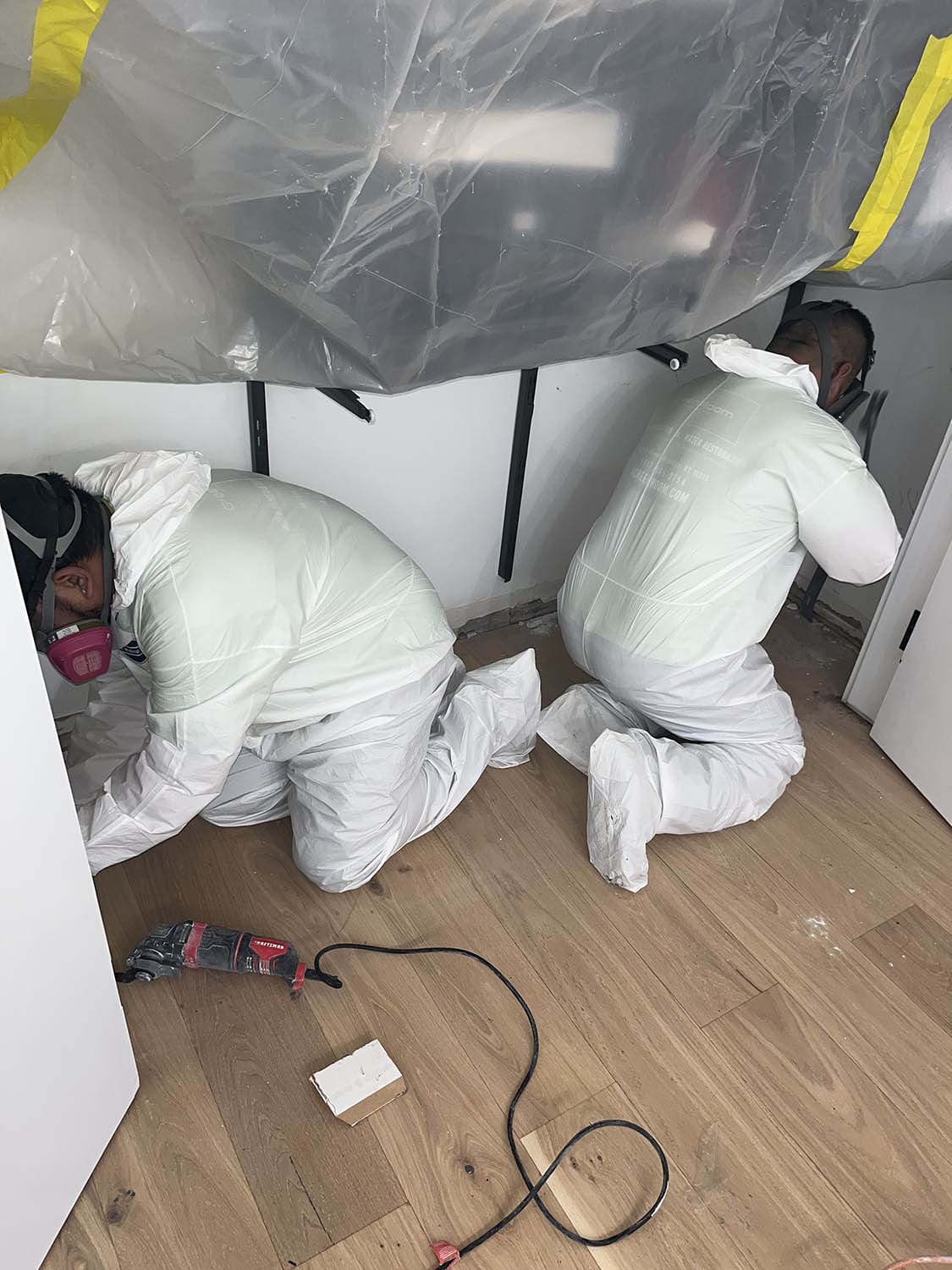
To prevent the spread of mold spores to unaffected areas, containment measures are implemented. This typically involves sealing off the contaminated area using plastic sheeting and creating a negative air pressure environment using HEPA-filtered air scrubbers.
3
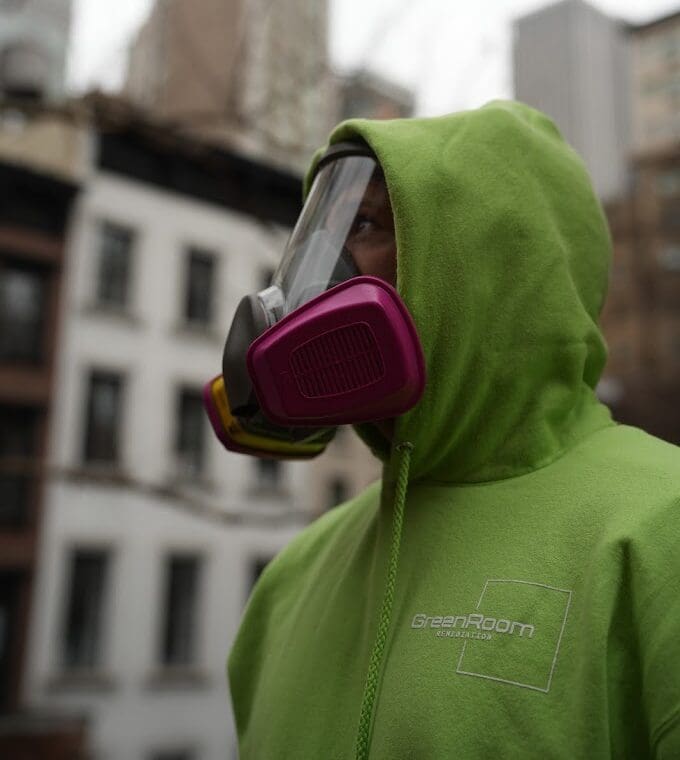
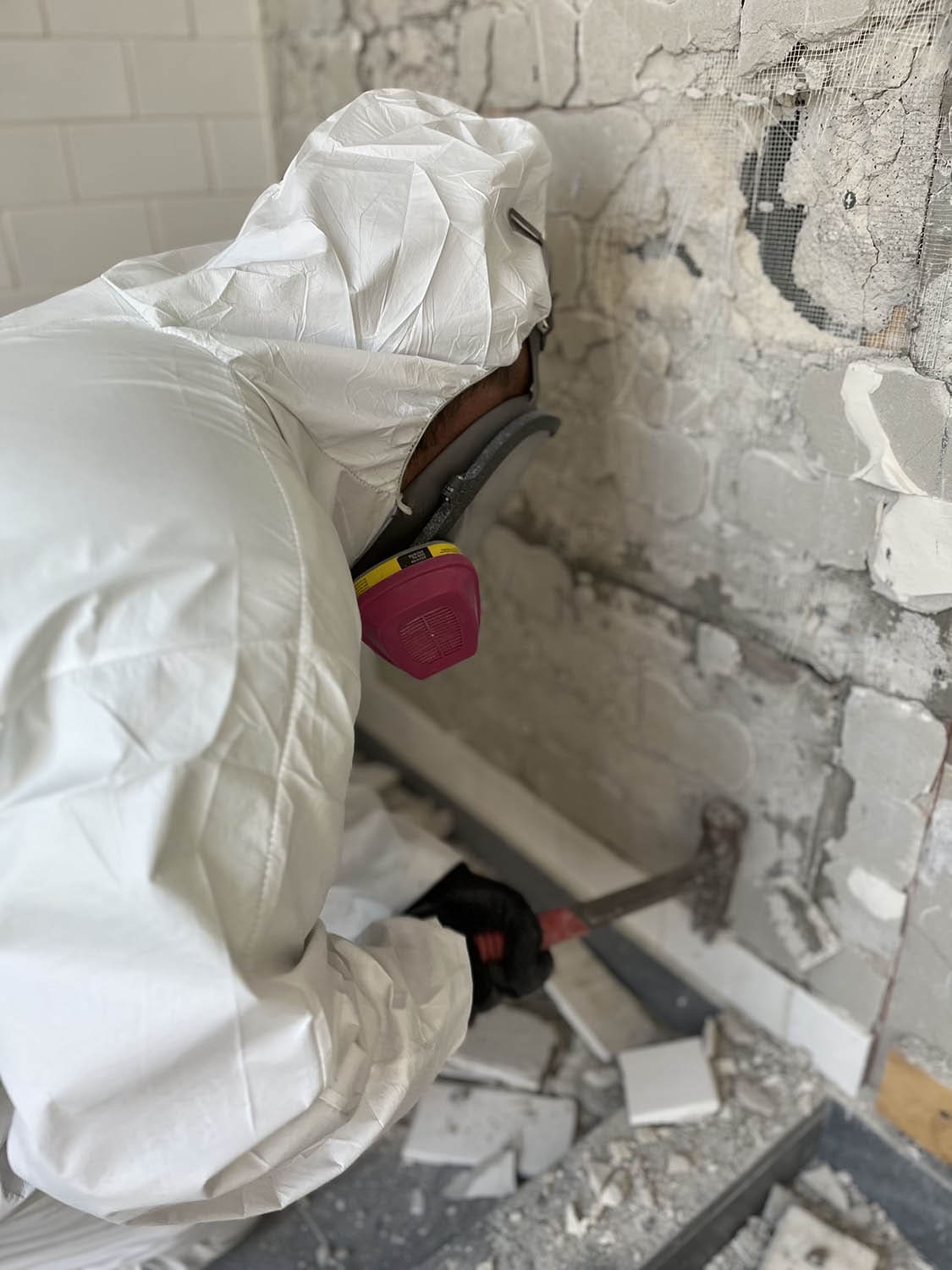
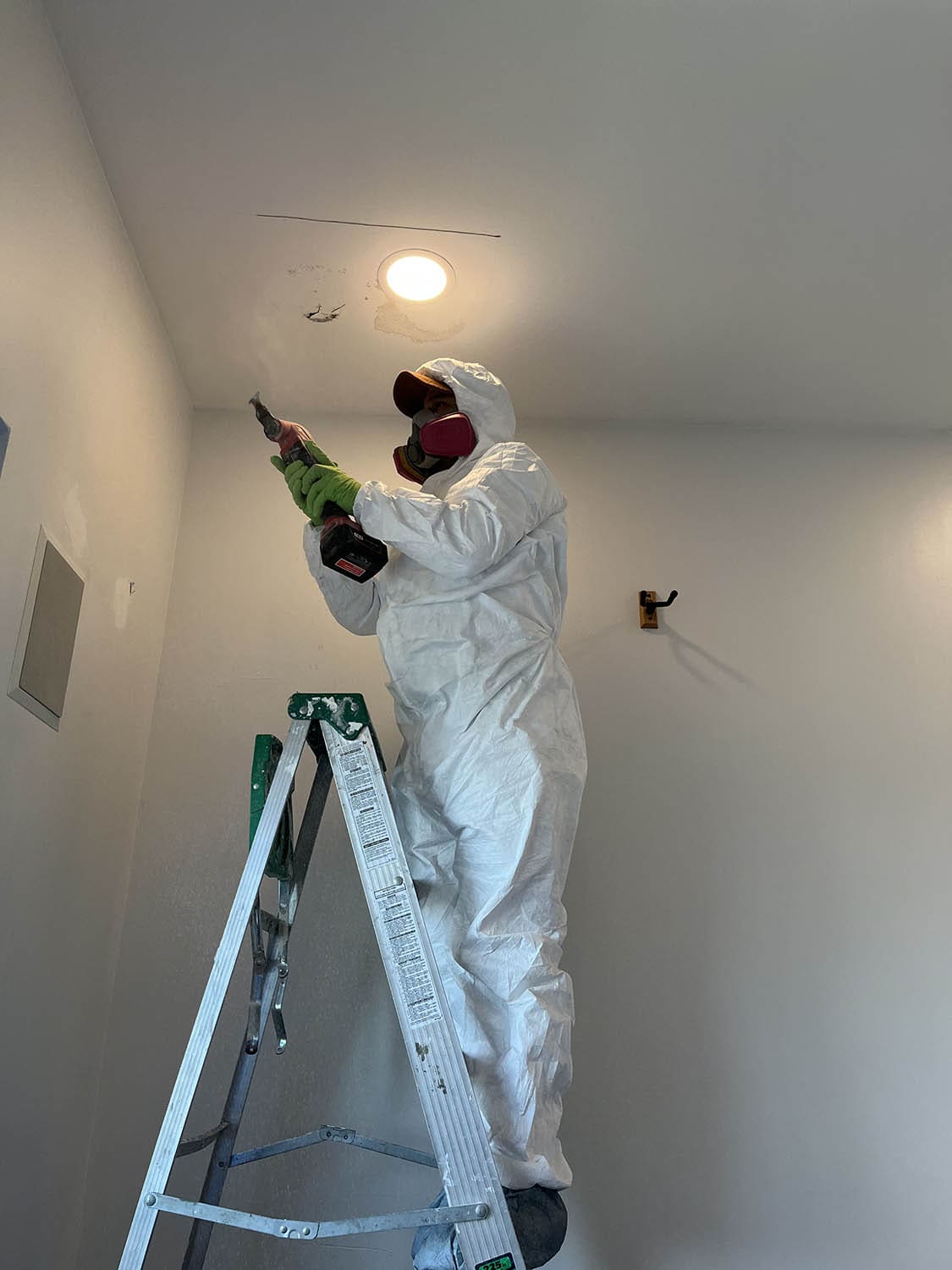
Technicians don appropriate PPE, including respirators, gloves, and protective suits, to minimize exposure to mold spores and mycotoxins during the decontamination process.
4
Mold-infested materials such as drywall, insulation, carpeting, and furniture may need to be removed and safely disposed of to eliminate the source of the mold.
5
Surfaces in the affected area are thoroughly cleaned and disinfected using specialized antimicrobial agents. This helps kill mold spores and inhibit future mold growth. HEPA vacuuming is often employed to remove settled spores from surfaces.
6
Moisture is a primary contributor to mold growth, so ensuring the affected area is thoroughly dried is crucial. Dehumidifiers and industrial fans may be used to expedite the drying process.
7
After decontamination, the area is re-inspected to ensure that all mold growth has been effectively removed. Air and surface sampling may be conducted to verify that mold levels have returned to acceptable levels.
8
To prevent future mold growth, remediation technicians may recommend or implement measures such as improving ventilation, repairing leaks, and installing moisture barriers.
9
Comprehensive documentation of the remediation process, including before-and-after photos, moisture readings, and test results, is typically provided to the property owner or manager for their records.
10
Once the remediation process is complete and the area has been deemed safe, clearance testing may be performed by a third-party environmental consultant to certify that the mold remediation was successful and the area is safe for occupancy.

Benefits of Antimicrobial Cleaning Services
Antimicrobial cleaning is the finishing layer of a thorough decontamination, and it can also stand on its own when a space needs sanitizing without full remediation. Using eco-friendly, low-VOC agents, our team disinfects and protects surfaces against bacteria, viruses, fungi, and other microorganisms. The treatment delivers professional-grade protection against pathogens, including viruses such as COVID-19, and leaves behind a barrier that helps prevent regrowth. It is well suited to high-traffic and shared spaces across Brooklyn, Manhattan, and the rest of NYC, where contaminants move easily between units and through shared ventilation.
Improved Health and Well-being
By eliminating harmful microorganisms, our antimicrobial cleaning service helps create a healthier indoor environment for occupants, reducing the risk of illness and improving overall well-being.
Enhanced Safety and Hygiene
A clean and germ-free space is essential for maintaining safety and hygiene, especially in high-traffic areas and shared spaces. Our antimicrobial cleaning service provides peace of mind knowing that your environment is protected against microbial contamination.
Protect Your Investment
Regular antimicrobial cleaning helps prolong the life of your surfaces and equipment by preventing damage caused by microbial growth. It also helps preserve the cleanliness and appearance of your space, enhancing its value and appeal.
Comprehensive
From high-touch surfaces like doorknobs and countertops to hard-to-reach areas and sensitive equipment, our antimicrobial cleaning service covers every inch of your space. We leave no stone unturned in our mission to create a hygienic and germ-free environment.
Effective
Our antimicrobial cleaning products are specially formulated to kill a wide range of bacteria, viruses, fungi, and other pathogens on contact. They provide a powerful barrier against microbial contamination, reducing the risk of illness and infection.
Long-lasting
Unlike traditional cleaning methods that offer temporary relief, our antimicrobial agents provide long-lasting protection against microbial growth. They create an inhospitable environment for pathogens, helping to prevent the spread of illness and maintain a clean and sanitary space.
other services
Decontamination FAQs
Professional decontamination steps in when a space has been exposed to microorganisms, allergens, odors, or biohazards that regular cleaning cannot safely remove. Situations like sewage backups, pest activity, medical spills, or contamination in multi-unit NYC buildings often require a certified team to sanitize both surfaces and the air. GreenRoom Remediation uses EPA-approved disinfectants, HEPA-filtered equipment, and targeted fogging so hidden areas and high-touch surfaces are treated fully. Many property owners also request decontamination before reoccupying a space, preparing a rental for new tenants, or restoring a building after water or mold issues.
Decontamination goes far beyond basic cleaning because it targets harmful pathogens, not just dust or visible dirt. It involves specialized products and equipment designed to neutralize bacteria, viruses, mold spores, and allergens that can linger on surfaces or circulate through indoor air. GreenRoom Remediation uses EPA-registered disinfectants, fine mist fogging, and HEPA vacuums that reach crevices a standard wipe-down would miss. This deeper level of treatment is especially important in NYC buildings where shared ventilation and tight spaces can allow contaminants to spread easily.
Yes. GreenRoom Remediation offers commercial decontamination throughout NYC, including offices, schools, gyms, medical suites, restaurants, and multi-unit residential buildings. Commercial properties often have high-traffic areas, shared facilities, and strict safety requirements, so we tailor the process to the layout and occupancy schedule. We can arrange after-hours work or weekend appointments to minimize disruption and provide documentation if property managers, co-op boards, or insurance carriers request proof of treatment.
Most decontamination projects take only a few hours for a standard home, office suite, or apartment. Larger buildings, multi-floor properties, or spaces with confirmed contamination may require additional time for multiple passes or air-quality stabilization. GreenRoom Remediation evaluates the square footage, HVAC conditions, and contamination level before providing a timeline. Our goal is always the same: complete coverage and safe reentry as soon as possible.
Yes. GreenRoom Remediation prioritizes low-toxicity, residue-free products that sanitize effectively without compromising indoor air quality. We use biodegradable antimicrobial solutions and HEPA filtration to protect families, pets, staff, and sensitive environments. Many clients choose our eco-conscious approach because it allows them to return to the space comfortably once treatment is complete.
Antimicrobial cleaning is a deeper, more specialized cleaning process designed to kill and inhibit bacteria, fungi, and viruses on surfaces. GreenRoom Remediation often recommends this service after mold remediation, water damage, or contamination events because it helps restore sanitary conditions and supports healthier indoor air. It is an excellent option for homes with sensitivities, rental turnovers, and commercial spaces that need consistent hygiene.
Antimicrobial cleaning differs from standard disinfecting because its protective effects last longer. Disinfecting kills germs on contact, but antimicrobial treatments continue working on the surface to slow or prevent new growth. This is especially useful in damp areas, high-touch zones, and spaces where mold or bacteria previously developed. GreenRoom Remediation applies hospital-grade solutions that bond to surfaces for extended protection.
Yes. GreenRoom Remediation uses professional-grade products that are effective yet safe when applied correctly. These solutions are suitable for childcare centers, healthcare offices, pet-friendly homes, and apartments with individuals who have allergies or respiratory sensitivities. We choose products that avoid heavy odors and maintain indoor air quality.
Frequency depends on the space. High-risk or high-traffic environments benefit from quarterly treatments, while homes typically schedule antimicrobial cleaning after leaks, mold remediation, or illness in the household. Some property managers request recurring appointments to maintain healthier common areas in multi-unit buildings.
Yes. Persistent odors often come from bacteria or organic buildup on surfaces. Antimicrobial cleaning removes the underlying source instead of masking the smell, which results in a noticeably fresher environment. GreenRoom Remediation targets the affected areas with products designed to neutralize odors where they start.